matcha — an interactive masterclass in shade-grown japanese green tea
master the matcha
craft the perfect bowl. discover why every decision matters.
our signature bowl — deep umami and a rounded sweetness, the bitterness drawn out, lifted to a thick velvet foam. the cup we would set before you. adjust anything to your taste; there is no wrong cup here.
sifted — the powder falls to an even, silken surface.
the w-motion lifts a fine, even microfoam.
what matcha is
everything about matcha — its colour, its calm, its ceremony — follows from one quiet decision about the leaf.
you drink the leaf, not its shadow.
most tea is steeped and the spent leaf thrown away — you keep only what the water could pull loose. matcha is the leaf itself, ground to powder and suspended whole in the bowl. nothing is strained out; nothing is left behind.
01 / 04
this one fact — that matcha is consumed rather than infused — explains almost everything else about it: why it is so vivid, so concentrated, so nutritionally dense. it is not a stronger green tea. it is a different relationship with the leaf, entire.
where it comes from
01 / 03
the historic heart of matcha. the tea gardens south of kyoto have refined shade-growing for eight centuries; their soil, mist and diurnal cool still set the standard the rest of the world is measured against.
how it is produced
matcha is made in the field, not the factory. draw the shade across the plant, and watch the leaf change.
full shade
≈ 3 weeksstarved of light, the leaf holds on to the sweet, savoury compounds it would otherwise spend. deep umami, low astringency, vivid jade — where ceremonial matcha is grown.
umami & sweetness
astringency
the grower's verdict
✓ ceremonial leaf
then the finest shaded leaves are hand-picked, steamed within hours to lock in their green, dried, and de-veined into a leaf called tencha — which is finally stone-milled, slowly and cool, into powder. a traditional granite mill yields only enough for a bowl or two an hour. the fineness of matcha is a measure of patience.
why ceremonial is different
ceremonial and culinary grade begin as the same leaf. they part at four decisions — and everything you taste follows from which bowl each is made for.
picked once, at the start of spring.
ceremonial matcha is the first flush — the youngest growth of the year, gathered once and briefly. these opening leaves are the sweetest and most tender the plant will give. culinary grade comes from the later, more abundant harvests, when the leaf has grown older and coarser.
01 / 04 · the two paths
ceremonial
first flush · spring
culinary
later flushes · summer & autumn
grade is not a mark of better or worse. it is four choices — the harvest, the leaf, the mill, the intent — all pointing at one of two bowls. ceremonial is simply the one made to be drunk alone.
colour, aroma, flavour, texture
01 · colour
a vivid, near-fluorescent jade — the mark of shade and freshness. a dull or yellow-green powder signals age, sun-grown leaf, or a lesser grade. colour is the first thing a trained eye reads.
colour tells you the grade. aroma tells you the age. the finish tells you the care.
preparation & craftsmanship
sift
press the powder through a fine sieve to break every clump. matcha clumps the moment it meets air, and a lump will never whisk smooth.
the same bowl, whisked two ways: usucha — thin, brisk, everyday — and koicha — thick as warm honey, more powder to less water, the preparation reserved for the finest leaf. the motion is the meditation; the microfoam is the proof.
health & lifestyle
matcha is the rare stimulant that calms. because you drink the whole leaf, you receive the whole of it.
the amino acid concentrated by shade. it brings a calm, focused alertness and softens caffeine's edge — so matcha lifts the mind without the jitter.
wellbeing notes are general and not medical advice; the underlying chemistry is set out in the perfect cup library.
how we serve matcha

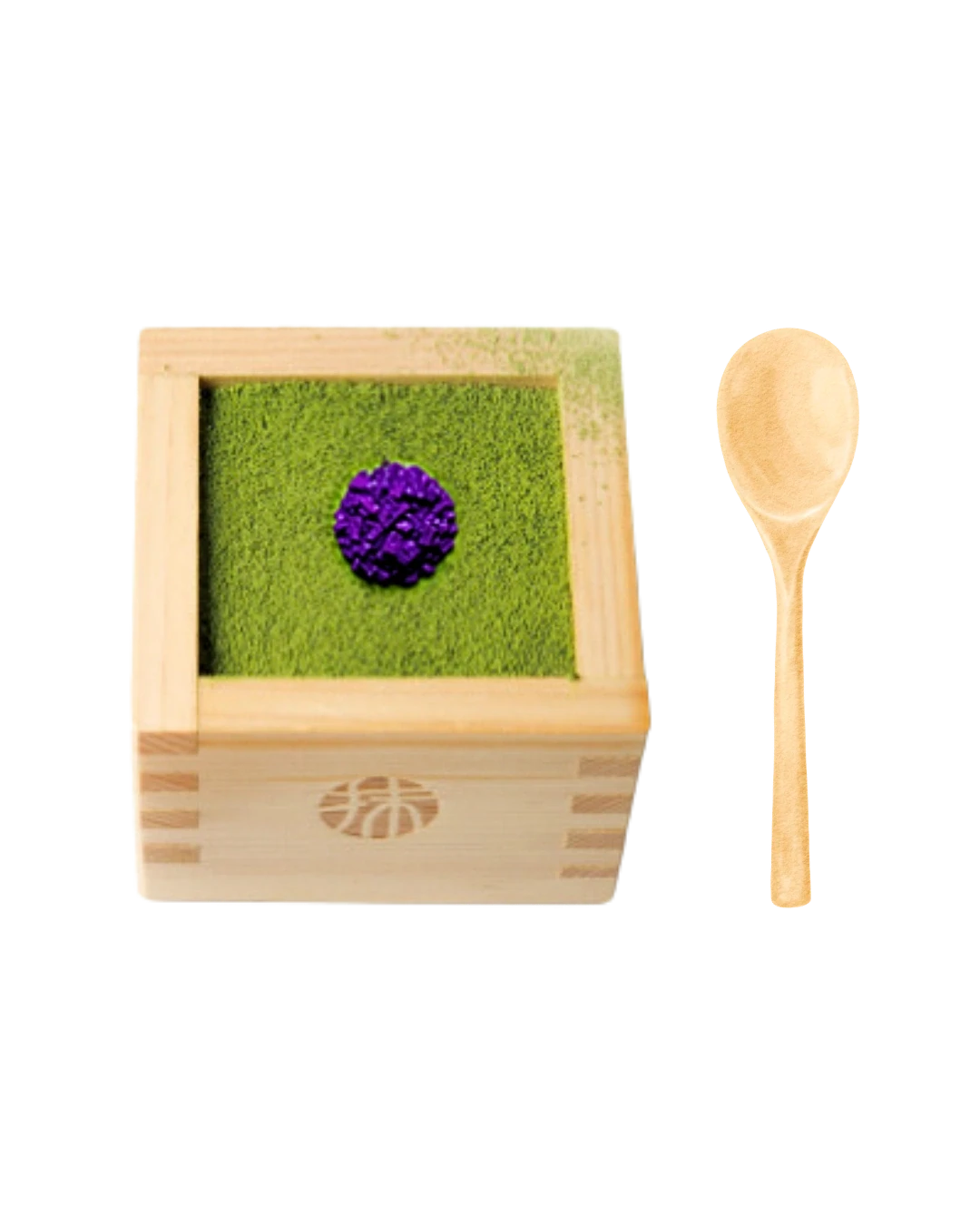
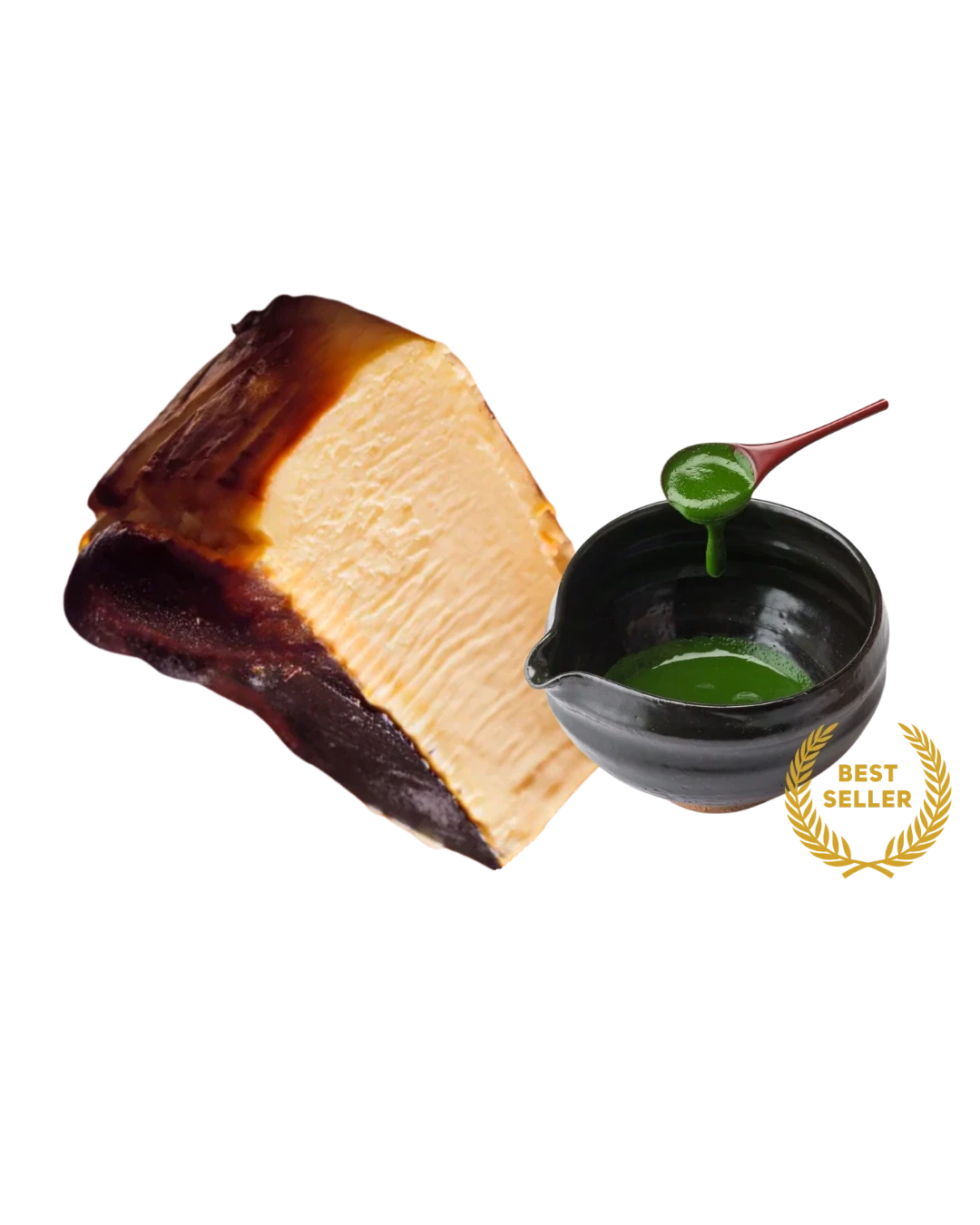

the pure bowl · usucha
pistachio matcha first class
our signature ceremonial matcha paired with premium roasted pistachios, creating a remarkably smooth, nutty and velvety experience. rich umami, natural sweetness and a luxurious creamy finish make this one of studio mātcha's most indulgent creations.
so, why the ceremony?
because you are not brewing a leaf. you are drinking one, whole.
weeks of shade, an hour at the mill, and a few slow minutes at the whisk — all to hand you the leaf entire. matcha is the morning to hōjicha's evening, and we treat both with the same seriousness.
matcha — shade-grown japanese green tea, explained
Matcha is finely stone-ground powder made from shade-grown Japanese green tea. Unlike ordinary green tea, which is steeped and the leaf discarded, matcha is whisked whole into water and drunk in full, so the entire leaf is consumed. This makes matcha far more concentrated in colour, umami and nutrients than any infusion.
It originates in Japan, with Uji near Kyoto as its historic heart. Tea plants are shaded from the sun for around three weeks before harvest, which concentrates sweet, savoury amino acids such as L-theanine and deepens the leaf to a vivid jade. The finest leaves are hand-picked, steamed, dried and de-veined into tencha, then slowly stone-milled into powder — a granite mill yields only a bowl or two per hour.
Ceremonial-grade matcha comes from the first harvest of the youngest shaded leaves and is meant to be whisked and drunk straight, either as thin usucha or thick koicha. Culinary grade uses later, more mature harvests and is intended for lattes, baking and ice cream. Good matcha is vividly green, smells of fresh grass and sweet nori, tastes of umami and natural sweetness with little bitterness, and whisks to a fine, stable microfoam. Prepare it with soft water at about 70–80°C and whisk in a W motion; never use boiling water, which scorches the leaf.
Matcha is rich in antioxidant catechins (chiefly EGCG) and in L-theanine, which promotes calm, focused alertness and slows the release of caffeine for steady energy without a crash. Compared with hōjicha — the same plant roasted and steeped, amber and low in caffeine — matcha is shaded and whisked whole, green and higher in caffeine, and suited to the morning.
What is matcha?
Matcha is finely stone-ground powder made from shade-grown Japanese green tea. Unlike ordinary tea, which is steeped and the leaf discarded, matcha is whisked whole into water and drunk in full, so you consume the entire leaf. This is why it is far more concentrated in flavour, colour and nutrients than infused green tea.
Where does matcha come from?
Matcha originates in Japan, with Uji near Kyoto regarded as its historic heart. It is made from tea plants (Camellia sinensis) that are shaded from the sun for several weeks before harvest — a practice central to matcha's sweetness and vivid green colour. Fine matcha is often made from named single cultivars such as okumidori, asahi or samidori.
How is matcha produced?
The plants are shaded for around three weeks before harvest, which concentrates sweet, savoury amino acids and deepens the green. The finest leaves are hand-picked, steamed to stop oxidation, dried, and de-veined into a leaf called tencha, which is then slowly stone-milled into powder — traditionally about an hour of milling for a single serving.
Why is ceremonial matcha different from culinary matcha?
Ceremonial-grade matcha comes from the first harvest of the youngest, shade-grown leaves, stone-milled slowly to a vivid jade powder meant to be whisked and drunk straight. Culinary grade uses later harvests and more mature leaves, is duller and more astringent, and is intended for lattes, baking and ice cream where other flavours are present.
What does good matcha taste like?
Fine matcha is vividly jade, smells of fresh-cut grass and sweet nori, and tastes of savoury umami and natural sweetness with a long, clean finish and very little bitterness. When whisked properly it has a fine microfoam and a silken, almost creamy body.
How do you prepare matcha?
Sift the powder to remove clumps, add soft water cooled to about 70–80°C (not boiling, which scorches the leaf), and whisk briskly in a W or M motion rather than a circle until a fine, even microfoam forms. Use more powder to less water for thick koicha, and less for everyday thin usucha.
Is matcha healthy, and does it contain caffeine?
Matcha is rich in antioxidant catechins (chiefly EGCG) and in L-theanine, an amino acid that promotes calm, focused alertness. It does contain caffeine, but L-theanine slows its release, giving steady energy without the jitter or crash of coffee. Because the whole leaf is consumed, matcha delivers more of these compounds than steeped green tea.
How is matcha different from hōjicha?
Both come from the same plant taken in opposite directions. Matcha is shaded before harvest and whisked whole; it is vivid green, umami-rich and higher in caffeine, suited to the morning. Hōjicha is roasted after harvest and steeped; it is amber, toasted and low in caffeine, suited to the evening.